
Linux is free. Home Assistant is free. The developers, strangely enough, still need somewhere to live and occasionally like to eat.
This week’s video looks at where the money comes from, and Friday’s Home Assistant announcement gives us a very good real-world example.
There is no enormous Linux Corporation

You can download Linux without handing over a credit card, so it is reasonable to wonder who pays Linus Torvalds, the kernel developers and the thousands of people working around it.
The short answer is that companies do not usually sell Linux itself. They sell the things around it: support, security updates, certification, cloud services, consultancy and the reassurance that someone will answer the telephone when a production server catches fire at three in the morning.
Red Hat and Canonical are obvious examples, but hardware companies, cloud providers and other large businesses also contribute developers and code because they depend on Linux themselves. Sharing the common foundation is cheaper than everybody building a separate operating system and guarding it in a cupboard.
The video starts with what the Linux kernel actually does, then follows the money through the Linux Foundation, commercial support and cloud computing—without requiring a command line or a beard of any particular length.
Watch: How Does Linux Make Money?
Home Assistant Cloud is becoming Home Assistant Link
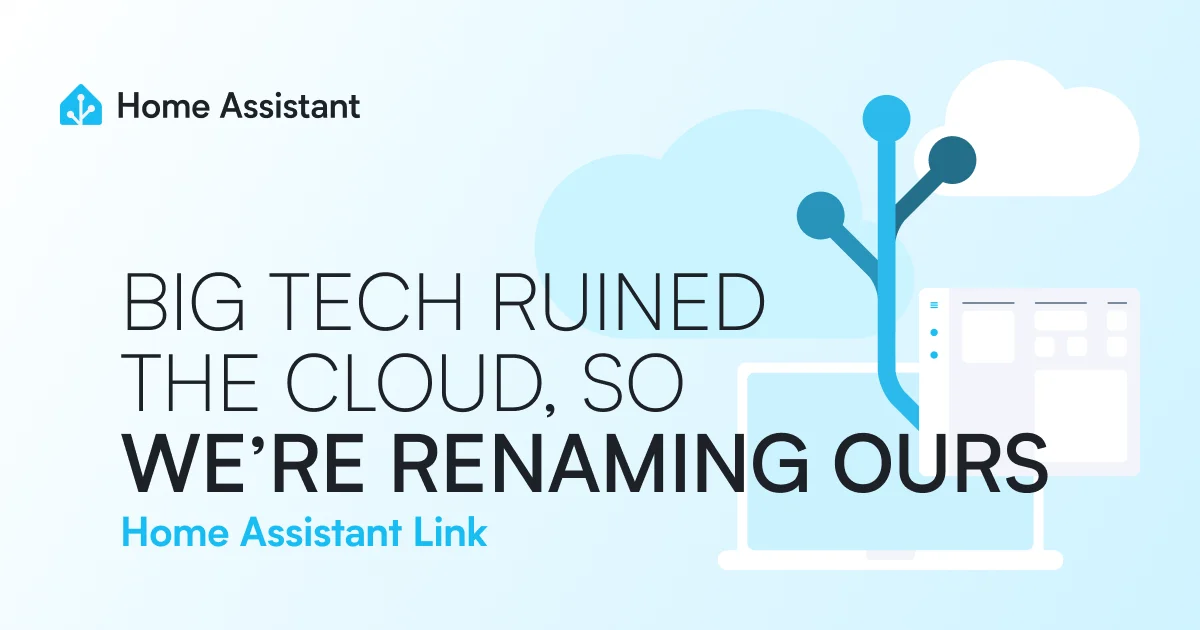
On Friday 2 October, Nabu Casa announced that Home Assistant Cloud will be renamed Home Assistant Link. The formal change is planned for the Home Assistant 2026.12 release in December.
The reason is not a mysterious new product. “Cloud” increasingly suggests lock-in, remote servers and a smart home that stops working when somebody else has an outage. Home Assistant still runs locally. Link remains an optional service that adds convenient remote access, online encrypted backups, voice services and easier connections to Alexa and Google Assistant.
More importantly, Nabu Casa says the majority of its subscription profits fund the Open Home Foundation. That supports the people building Home Assistant while leaving the core platform open and usable without the subscription.
In other words, it is almost exactly the business model discussed in the Linux video: keep the underlying technology open, then offer useful optional services that pay for continued development.
Read the Home Assistant announcement
The useful takeaway
Free and open source does not mean nobody gets paid. It means the code can be used, inspected and improved openly. The money usually comes from support, services, hardware or companies funding work they also depend on.
Have a good week,
Martyn
Using the Wrong Words on Porpoise
Tech without the technobabble